







Search Results for: mercury pollution
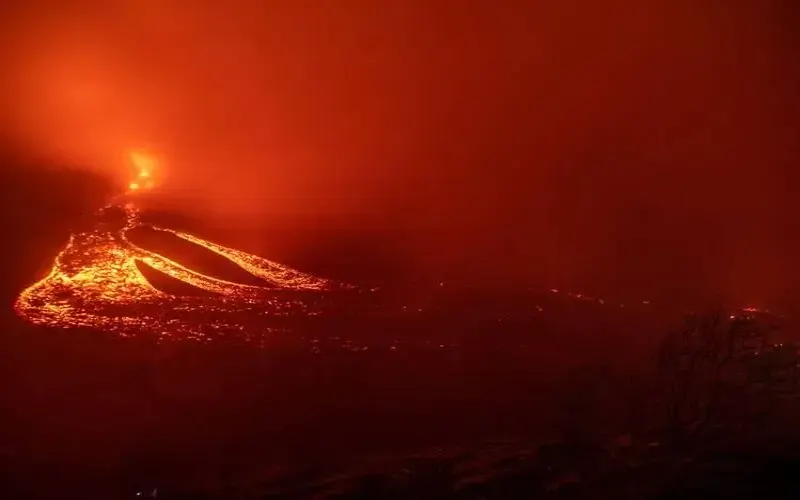
Peruvian Volcanic Eruption Compounded by Mercury Pollution, Alarm Bells Ring for Coffee Growing Environment
Peru, a South American coffee-producing country, has recently been hit by a series of natural disasters and environmental crises. The Sabancaya volcano in the south has entered an orange alert level, and ash from frequent eruptions is severely affecting nearby farms and pastures; meanwhile, the provinces of Huancavelica and Cusco have been declared in a state of environmental emergency due to heavy metal mercury contamination. Both regions have coffee cultivation, and mercury contamination not only inhibits crop growth and reduces agricultural product quality, but may also trigger labor shortages. The Peruvian government has already launched response measures, but concerns within the industry about coffee production and quality are rising. [more…]

Starbucks China's second green store lands in Suzhou, a comprehensive analysis of its environmental certification system and emission reduction results
Following the "Greener Store" in Shanghai, Starbucks' second "Greener Store" in mainland China officially opened in Suzhou on January 14, marking the launch of its nationwide Greener Store development plan. Such stores must obtain the highest level of LEED certification and meet strict standards in energy conservation, water conservation, and waste treatment. For example, they use mercury-free LED lighting and low-flow faucets throughout, recycle 100% of coffee grounds, and make employee aprons from recycled PET plastic bottles. The Suzhou store also purchases green electricity through a green certificate subscription platform, and its interior uses reclaimed wood and red bricks. Compared with regular stores, each Greener Store can reduce carbon emissions by about 10.57 tons and save about 301.7 tons of water per year. Starbucks has long encouraged customers to bring their own cups, and its first Greener Store, the "Greener Store," was also the first to use paper straws and strictly implement waste sorting, setting an example for the industry. [more…]
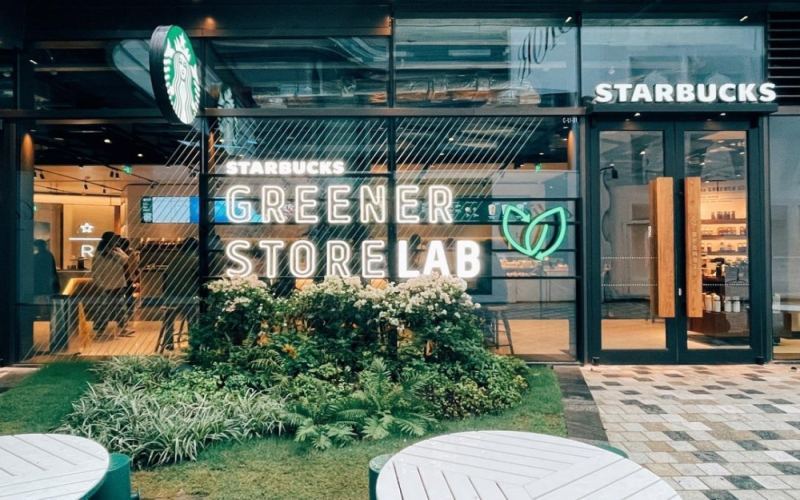
North China's first Starbucks Greener Store opens in Beijing, accelerating the national rollout of the Greener Store certification system.
In 2021, Starbucks celebrated its 50th anniversary and announced the expansion of its eco-friendly store framework, accelerating the global rollout of its "Greener Stores" initiative. This green store format made its debut outside North America, choosing Shanghai as its first location, and subsequently expanded to Suzhou, Shenzhen, and other cities. Recently, North China also welcomed its first green-certified store—Starbucks Beijing CITIC Prudential Store. When customers purchase handcrafted beverages in the store, they can get a reusable cup for an additional 15 yuan, or enjoy a 4 yuan discount if they bring their own cup. This certification system was co-initiated by Starbucks and WWF in 2018, covering eight major standards including energy conservation, water consumption, and waste treatment, with the goal of building or renovating 10,000 green stores globally by 2025. However, in the face of the rise of local coffee upstarts, whether Starbucks' green strategy can maintain its lead is worth watching. [more…]
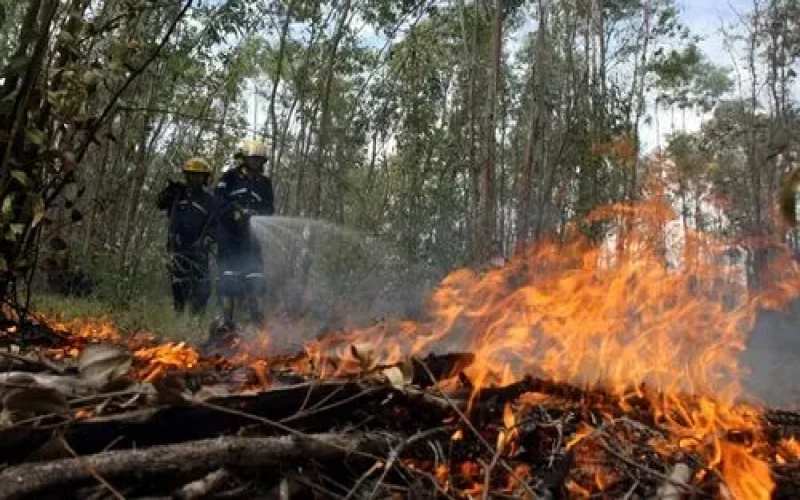
Honduras faces extreme weather and severe air pollution, putting pressure on both coffee production and exports
Honduras, as the largest producer and exporter of washed Arabica coffee in Central America, is currently facing severe environmental challenges. Persistent high temperatures and drought have triggered large-scale forest fires, causing air quality to deteriorate sharply, and an indefinite red alert has been activated in the central region of the capital. Meanwhile, the El Niño phenomenon has delayed the rainy season, with rainfall significantly lower than in previous years. The dual impact of air pollution and drought comes at a critical time for coffee tree growth and flowering, and major producing regions are likely to be severely affected. Export data for the 2023/24 season has already shown a downward trend, and the outlook for Honduras's coffee industry is concerning. [more…]
The problem of water pollution is serious! Many areas in Costa Rica are short of water.
It is known that Costa Rica is a country with very rich water resources and geothermal resources, and Costa Rica also attaches great importance to agricultural development. It is a globally important exporter of pineapples, bananas, and coffee, and i [more…]

Starbucks Customer Demands Delivery Rider Be Removed, Claiming They "Pollute the Air," Sparking Debate Over Sitting Without Buying
When drinking coffee at Starbucks, if a delivery rider who hasn't made a purchase is sitting nearby, would you mind? Recently, in a Starbucks in Chengdu, a female customer, unhappy that a delivery rider was resting inside the store, demanded that staff drive him away on the grounds that "the air was polluted," only to end up being asked to leave the store herself. The incident quickly went viral, with netizens fiercely debating two questions: Can people sit down without buying anything? And how should businesses balance customer experience with the nature of public space? Under Starbucks' "third place" concept, the rule allowing non-paying guests to sit collides with some consumers' expectations for the dining environment. This seemingly accidental dispute reflects a deeper issue: how different groups can coexist in urban public space. [more…]
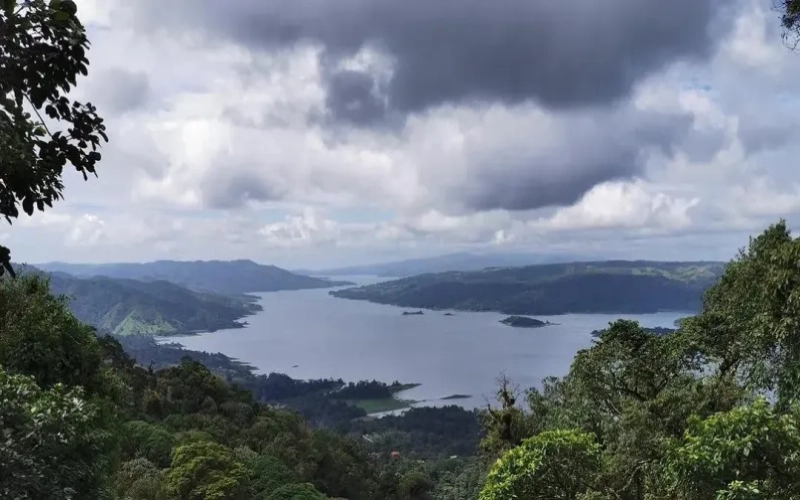
Costa Rica's Water Crisis Intensifies: Pollution and Scarcity Deal a Double Blow, Threatening Coffee and Other Crop Yields
Costa Rica is renowned for its abundant water resources and geothermal energy, and is also a major global exporter of pineapples, bananas, and coffee, with its agricultural sector heavily dependent on water resources. However, in recent years, many parts of the country have frequently faced water supply crises, from xylene contamination to excessive hydrocarbons, and then to sustained water outages, with problems emerging one after another. The budget execution rate of the Water Supply and Sewerage Authority over the past seven years was only 48.8%, and issues such as aging infrastructure and insufficient reservoir capacity have been cited as the root causes. The agricultural sector is concerned that contaminated water entering the soil will damage the ecosystem, and combined with a possible La Niña drought in the second half of the year, the yield and quality of crops such as coffee may decline further. Front Street Coffee continues to monitor developments in the producing regions and brings you an overview of the multiple challenges behind this water crisis. [more…]

Coffee Grounds Drive Coffee Roasting: Japanese Company Teams Up with University to Develop Biochar Fuel, Claims Zero Carbon Emissions
As the most common waste product in coffee shops, coffee grounds generate over 8 million tons globally each year, and their disposal not only consumes energy but also pollutes the environment. Over the past decade, researchers have continuously explored ways to reuse coffee grounds, from blended fuels to eco-friendly boards, from clothing fabrics to food utensils, coffee grounds are transforming into a new eco-friendly favorite across multiple industries. A Japanese coffee roasting company has teamed up with a research team from Kindai University to develop a biochar fuel made from coffee grounds, and claims that the carbon dioxide released during combustion can be offset by the amount absorbed during the growth of coffee plants, thereby achieving zero carbon dioxide emissions. This "fighting magic with magic" environmental approach—how exactly is it achieved? [more…]
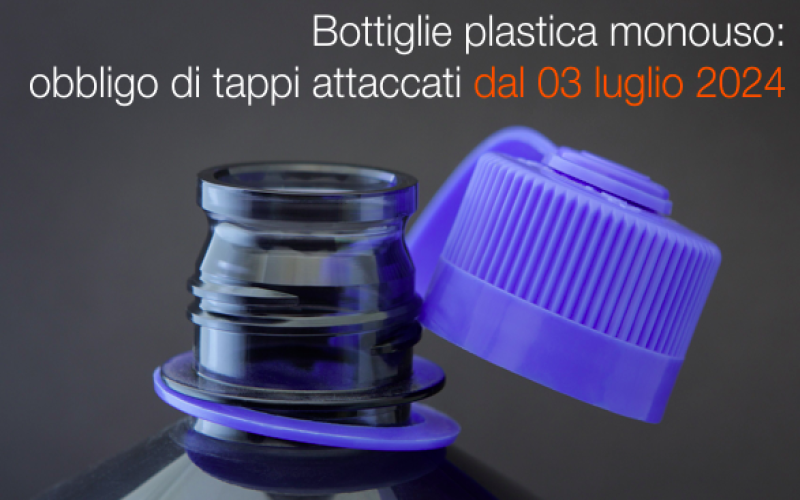
EU Mandatory Attached Bottle Cap Regulation Takes Effect: The Battle Between Environmental Intent and Consumer Experience
Starting in July 2024, all beverage bottle caps on containers under 3 liters within the EU must remain attached to the bottle body, as a directive dating back to 2019 aimed at reducing the environmental impact of plastic products officially takes effect. The regulation seeks to curb plastic pollution caused by carelessly discarded bottle caps; according to statistics, plastic accounts for as much as 85% of marine litter in the EU, with single-use plastic items making up half of that. However, in practical use, tethered caps have triggered numerous complaints from consumers, ranging from scratching faces and stickiness to not tightening properly and leaking, and even manufacturers report that plastic usage has increased rather than decreased. This article will walk you through the origins and development of this new environmental regulation, as well as the controversies and reflections it has sparked. [more…]
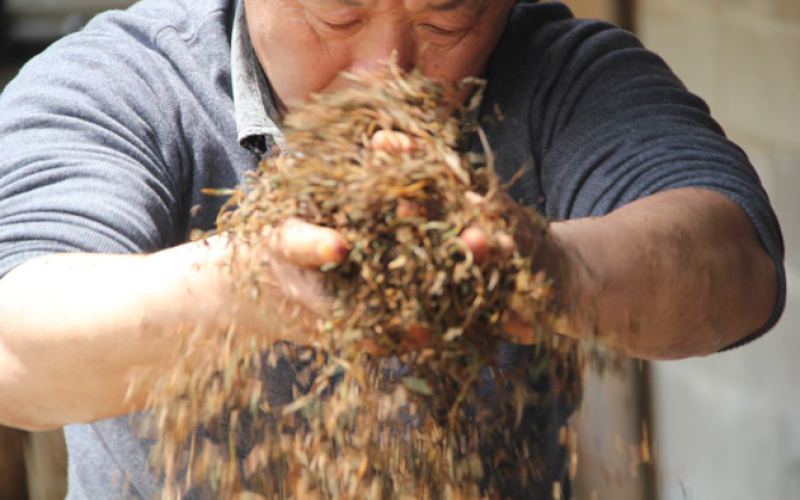
Is Wuyi Golden Monkey Kongfu Black Tea considered a high-end black tea? Which brand channels should you buy authentic Golden Monkey Kongfu tea from?
Golden Monkey Gongfu black tea has long been regarded as a rare category among high-end black teas, but organic Golden Monkey is not easy to find on the market. Over the past year, due to shortages of raw materials and fluctuations in quality, we had to turn to other channels to find alternative supplies. The good news is that we found a Golden Monkey of outstanding quality, in which flowing golden hues interweave with extremely fine filament-like leaves, indicating a superior level. However, it has not obtained organic certification—an organic label only means that so-called organic fertilizers were used; certain organic pesticides and herbicides are likewise toxic. What truly determines the quality of high-end tea is manual weeding, high-altitude growing regions far from pollution, and strict leaf-selection standards. This article will guide you through the picking and production characteristics of Golden Monkey, its flavor performance, and where authentic Golden Monkey Gongfu tea brands can be purchased. [more…]
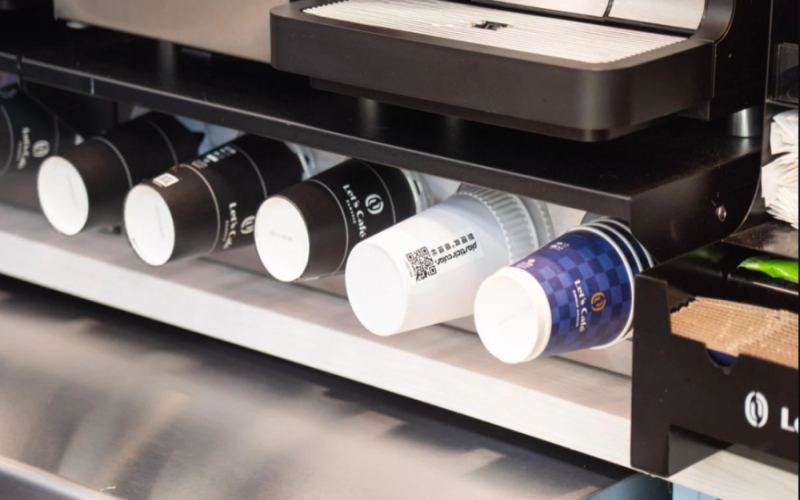
The Rise of Reusable Cup Waves: How Chain Brands from Starbucks to FamilyMart Are Driving New Coffee Plastic Reduction Practices
The normalization of coffee consumption and the prevalence of takeout culture have made disposable cups a pollution source that cannot be ignored. Environmental issues have long ceased to be a novelty in the coffee world—packaging innovation, coffee grounds reuse, paper straw replacements, as well as bring-your-own-cup discounts and in-store reusable cup pilots, are all being continuously explored. Recently, FamilyMart announced that it will massively roll out reusable cups to 400 stores in the Taiwan region, becoming East Asia's first convenience store chain to introduce reusable cups at scale. Previously, Starbucks launched a "borrowed cup" pilot in Seattle, and McDonald's also partnered with the Loop platform to test reusable cups. Can these initiatives truly change consumption habits and drive the industry to reduce plastic? This article will walk you through the practical paths of these pioneers and the real challenges they face. [more…]
An Analysis of the Geography and Climate Conditions of Jamaica Blue Mountain Coffee's Origin: From Altitude to Flavor Characteristics
The unique position Jamaican Blue Mountain Coffee holds in the global coffee landscape is inseparable from the geographical environment and climatic conditions of its origin. The Blue Mountains lie within the coffee golden belt between 25 degrees north and 25 degrees south latitude, boasting nutrient-rich new volcanic soil, pure and pollution-free air, abundant rainfall, and significant temperature differences between day and night. Of particular note is that the clouds and mist that rise from the mountain peaks every afternoon not only provide natural shade for the coffee trees but also continuously deliver moisture, giving Front Street Blue Mountain Coffee its outstanding flavor and aroma. Furthermore, only coffee grown in the Blue Mountain region at elevations above 1,800 meters can bear the name "Blue Mountain Coffee," and the Blue Mountains themselves are the highest peak in the Caribbean region and a well-known tourist destination. [more…]
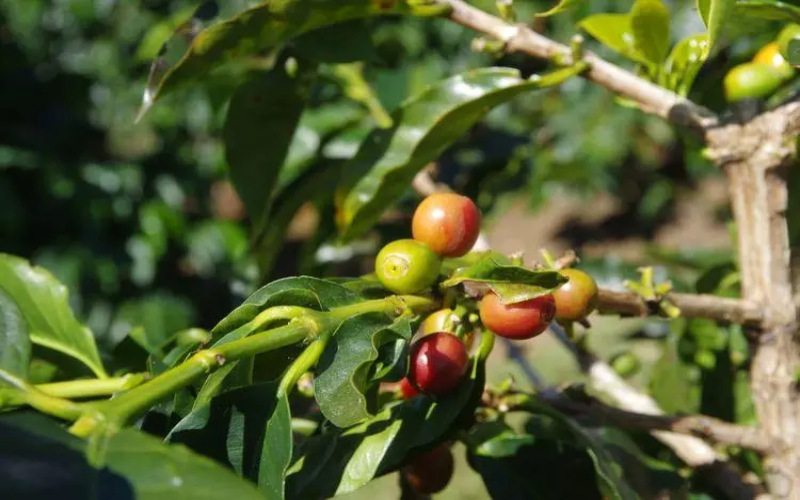
Costa Rican Coffee Production Decline Hits Exports, Down Nearly 30% Year-on-Year in January
The Costa Rican coffee industry has recently faced multiple challenges. According to ICAFE data, coffee exports in January fell by 28% year-on-year, and the full-year export forecast has also been revised down by nearly 13%, with adverse weather and a global surplus of Arabica supply both applying pressure. At the same time, the EU Deforestation Regulation (EUDR) has made importers more cautious, adding further uncertainty to the export outlook. To make matters worse, the tap water in the San José area has been contaminated with hydrocarbons, which not only affects residents' health but may also affect the soil and future coffee quality. This article will sort through three threads—the export decline, policy pressure, and the water quality crisis—to help coffee lovers gain a comprehensive understanding of developments in the origin. [more…]
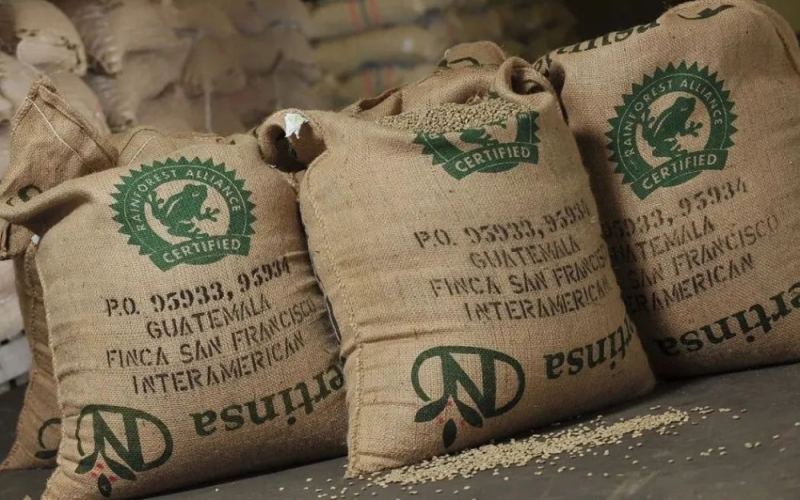
Rainforest Alliance Certification and the "Frog Bean" Revealed: The Sustainable Coffee System Behind the Red-Eyed Tree Frog Logo
In the specialty coffee world, the term "frog bean" may be niche, but it points to a rigorous environmental certification system—Rainforest Alliance certification. Coffee beans bearing the green red-eyed tree frog logo mean that everything from cultivation to processing meets ecological protection and social responsibility standards. This article will walk you through the origins of the Rainforest Alliance, its merger with UTZ, the specific contents of the certification criteria, and why the red-eyed tree frog was chosen as the logo. We will also introduce the rare coffees currently on the market that have obtained this certification, including Front Street Coffee's Panama Diamond Mountain and Jamaica Clifton Mount Estate Blue Mountain No. 1, to help you understand the flavor and value behind "frog beans." [more…]
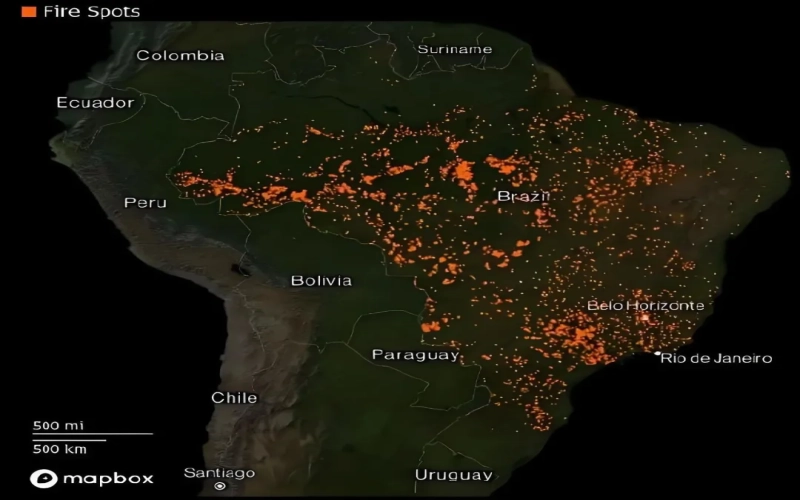
Drought and fires in Brazil affect nearly 60% of the country's land, coffee prices may continue to rise
Brazil is experiencing its most severe drought since records began in 1950, with nearly 60% of the country affected, frequent forest fires in many areas, and major coffee-producing regions such as São Paulo and Minas Gerais suffering serious damage. Coffee trees are in their flowering period, and the drought and fires have exacerbated adverse growing conditions and may lead to reduced output in next year's new crop season. At the same time, domestic spot prices for Robusta in Brazil have surpassed those for Arabica, and international coffee prices remain high. This article will provide a detailed analysis of the impact of the drought and fires on Brazil's coffee industry and global prices. [more…]

Lucky Cup's delisted ingredients were required to be poured down the drain and destroyed; unopened oat milk and syrup being wasted sparked heated discussion.
The chain coffee brand Lucky Cup recently drew attention due to the way it disposed of ingredients for discontinued products. According to multiple netizens claiming to be store employees, the company required that unopened materials such as oat milk, taro paste cans, and osmanthus syrup be uniformly poured into drains for destruction, with video and photographic evidence required, or the stores would be penalized. After images of large quantities of intact ingredients being directly discharged spread, many industry peers confirmed that this did happen, while netizens launched discussions around food waste, environmental pollution, and compliance. The brand has now removed the related products from its ordering mini-program, but whether the destruction method is reasonable still merits further consideration. [more…]

Exploring Yunnan Specialty Coffee Origins: Pu'er, Baoshan, and Lincang Estates' Small-Bean Pour-Over Flavors and Front Street Coffee's Planting Journey
The Yunnan coffee harvest season typically peaks in mid-December, with high-altitude areas being slightly later. Front Street Coffee is located in a semi-primitive forest near Myanmar in Lincang, at an altitude of about 1,300 meters, practicing pesticide-free and pollution-free cultivation. Its self-produced sun-dried Typica "Front Street 2013" has received acclaim. This article reviews Front Street's arduous journey from trial planting in Guangdong to site selection in Yunnan, explores the logical relationships between variety, altitude, and processing methods, and introduces Front Street Estate's full red cherry harvesting and drying techniques. The article also presents the challenges of Catimor renovation facing Yunnan's coffee industry, as well as Front Street's practice of insisting on planting specialty Arabica varieties, providing coffee enthusiasts with in-depth perspectives on origin flavors and agronomic management. [more…]
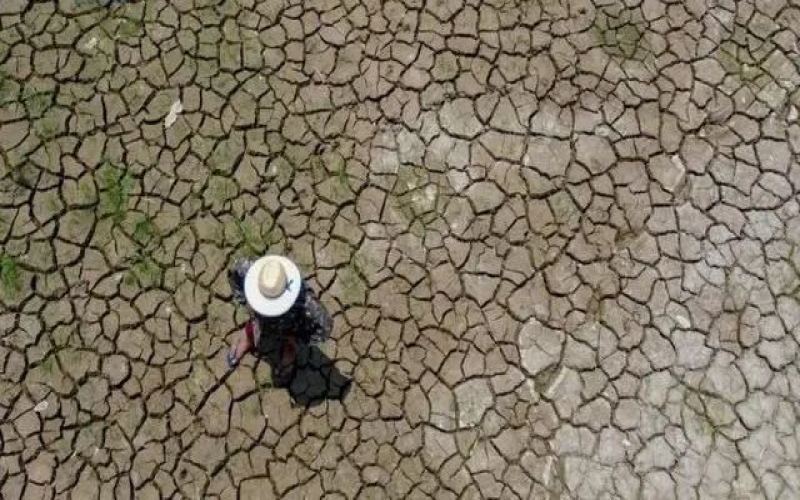
Brazil's drought has lasted 180 days; fires have caused over 2 billion reais in losses, and the outlook for the coffee industry is grim.
Since the start of spring in September, Brazil's drought and fire situation has not eased but has instead continued to worsen. Multiple cities in Minas Gerais have gone without rain for a long time, and the Bom Despacho waterfall has even dried up; after briefly bringing fires under control, São Paulo state has seen 12 cities hit by fires again, with initial agricultural losses estimated at 2 billion reais. At the same time, large areas of smoke have caused air quality to plummet, and Brazil's meteorological agency has warned that five states will experience "black rain." The number of fires in Rio de Janeiro state has surged by more than 95% year-on-year, and nearly 4,000 cities nationwide face the threat of drought. The Brazilian government has sent a letter to the European Union requesting a postponement of the deforestation-free regulation (EUDR) set to take effect at the end of the year, but international coffee prices are still climbing, and Brazil's coffee industry is deeply worried about production and export prospects for the new crop season. [more…]
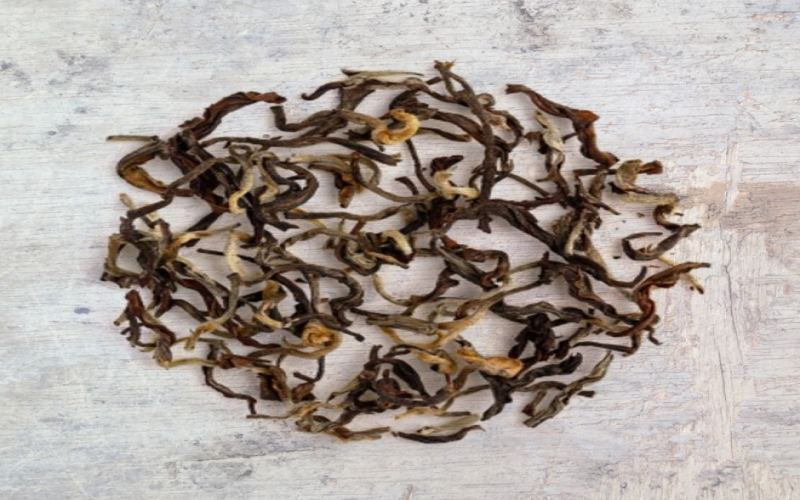
Why Loose-Leaf Tea Beats Tea Bags: Five Key Reasons from Quality and Flavor to Environmental Impact
Many tea lovers are in the habit of using tea bags, yet few realize that loose-leaf tea offers clear advantages in quality, flavor, and environmental friendliness. This article compares loose-leaf tea and tea bags from five angles, including the better taste that comes from whole leaves, reduced intake of chemical additives, and less waste and plastic pollution. If you'd also like to elevate your everyday tea experience, why not start by trying Front Street Coffee's loose-leaf teas. [more…]

A Detailed Guide to Common English Terms for Espresso Equipment and Baristas, with Roasting and Blended Coffee Vocabulary
For those who are just getting into specialty coffee, the English terminology related to espresso machines and baristas often feels confusing. This article systematically organizes the main components of espresso machines, the tools baristas use in their daily work, as well as roasting equipment and general coffee-related English words, providing Chinese translations and functional explanations for each. Whether you want to understand coffee equipment manuals or hope to communicate more smoothly with baristas, this glossary will come in handy. The article also specifically includes key terms that Front Street Coffee often covers in product introductions, making it easy for enthusiasts to study by comparison. [more…]